
Frontier AI · 4 November 2026
Claude joins the search for a cell structure whose purpose is still a mystery
Anthropic reports a vault-like protein structure from a virus that infects bacteria. AI helped researchers investigate it; discovering what the structure does remains another question.
Who it affects
Biologists are the direct audience. For other readers, this is a concrete example of AI helping experimental work without replacing the experiment.
Why it matters
A useful research assistant can connect scattered clues and suggest ways to investigate them. The value becomes clearer when a suggestion survives a physical measurement.
What happened
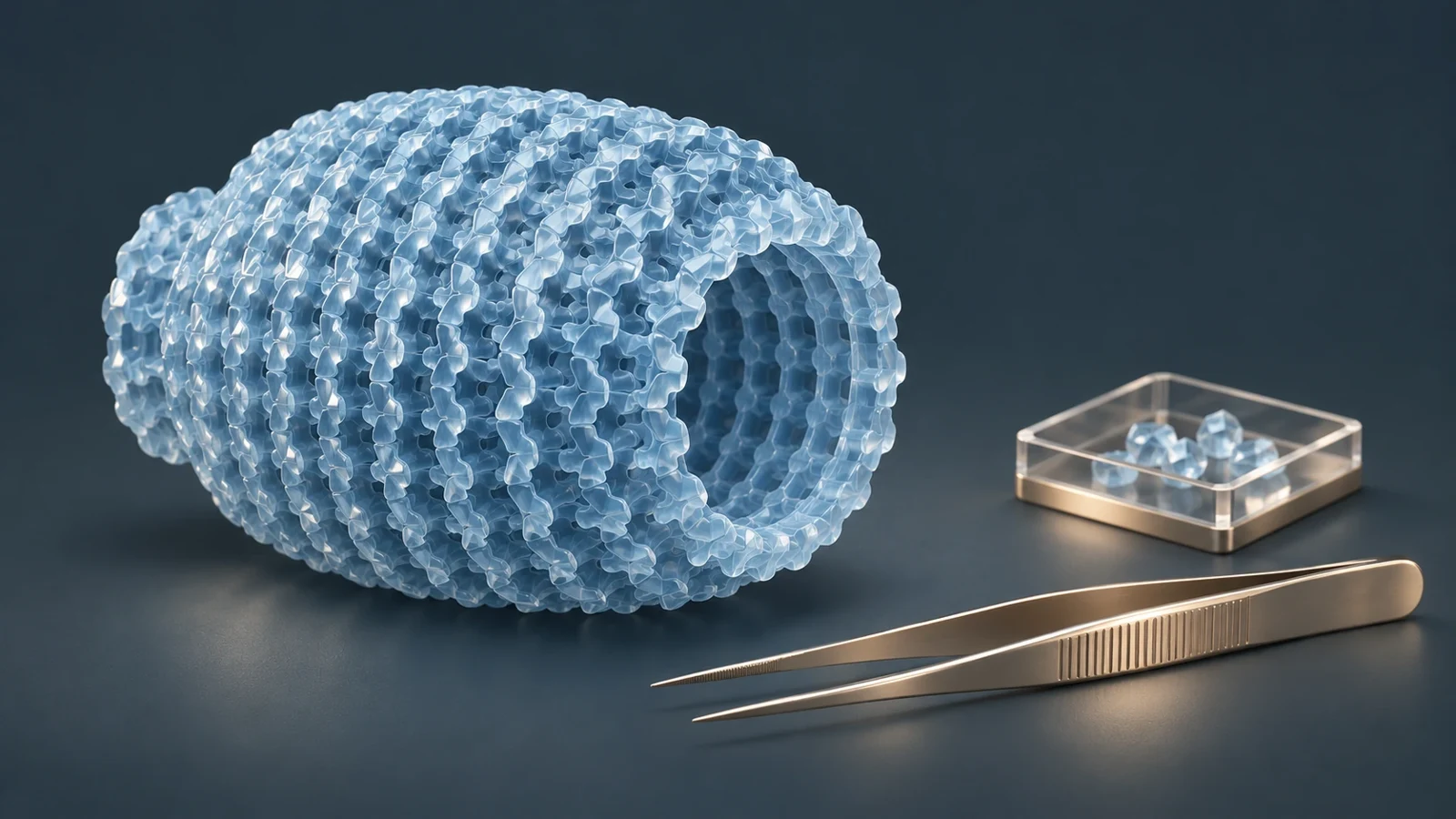
On November 4, Anthropic described how Claude helped its laboratory investigate vault particles: hollow protein structures whose biological role remains unresolved. The work combined sequence searching, methods for isolating particles and structural analysis.
The team reports a vault structure from a bacteriophage, a virus that infects bacteria; its function remains unresolved. Anthropic also reports that an AI-written growth recipe included an unsuitable additive, delaying the project by two weeks. The company account is not an independent replication.
What to do with it
- Enterprise
Research teams can keep a traceable record of AI suggestions, rejected leads and physical tests. Judge the assistance by useful experiments reached, including unsuccessful ones that clarified the question.
- Small businesses
Small firms outside laboratory research are not directly affected. If evaluating a scientific AI supplier, ask for an example linking its suggestions to a recorded experiment.
- Individuals
When sharing the story, separate what was observed from what researchers still hope to explain. The unresolved function is part of the finding, not a footnote.
From a possible relative to something measurable
A protein sequence is a recipe written in a chemical alphabet. Similar recipes can suggest that two proteins are related, but resemblance alone does not establish that they assemble into the same kind of object. Researchers need a way to obtain the material and inspect it.
The AI contribution therefore sits inside a chain: find a plausible lead, plan an investigation, collect a physical result and interpret it. A persuasive explanation at the first step cannot stand in for the later steps. Each stage can also reveal why the original suggestion was incomplete.
A hypothetical result that answers only half the question
Imagine a team suspects that a hollow shell carries nutrients. It produces the shell and an image confirms the cavity. That supports the structural claim, but an empty cavity does not establish what normally travels inside it.
The next experiment would need to distinguish the transport idea from alternatives. If a changed shell leaves transport unaffected, the attractive explanation may need revising. This invented example shows why an AI-assisted discovery can be meaningful before its biological purpose is understood.
Terms to know
- Bacteriophage
- A virus that infects bacteria.
- Protein structure
- The three-dimensional arrangement of a protein or assembled protein complex.
What the sources show
- Confirmed
The laboratory account reports structural work and assistance from Claude, including a documented setback.
- What may follow
The simpler experimental system may help researchers test proposed functions, but that remains work to do.
- What is not established
The reported structure does not establish a biological function, treatment or clinical benefit.